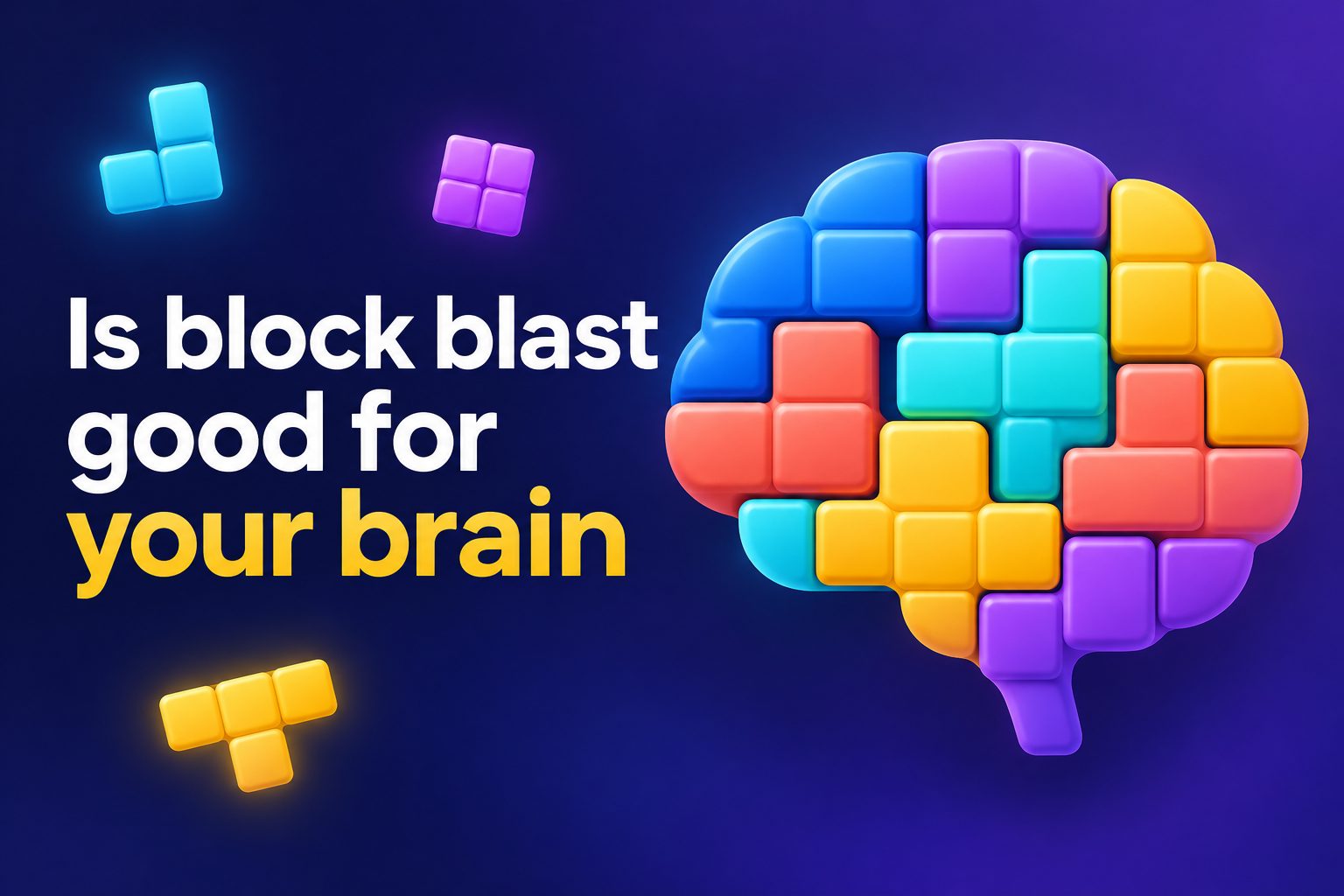
Block Blast can be good for your brain when you play it in a balanced way. The puzzle asks you to place shapes, notice patterns, plan ahead, and adapt when the board changes. Those actions can exercise attention, visual thinking, and short-term memory. However, it is not a magic brain-training tool, and playing for long periods will not automatically make someone smarter. The value depends on how you play, how often you play, and whether it fits into a healthy routine. This article explains the possible mental benefits of Block Blast, its limits, practical ways to play more thoughtfully, common mistakes, and when it may be time to take a break.
How Block Blast Challenges The Brain
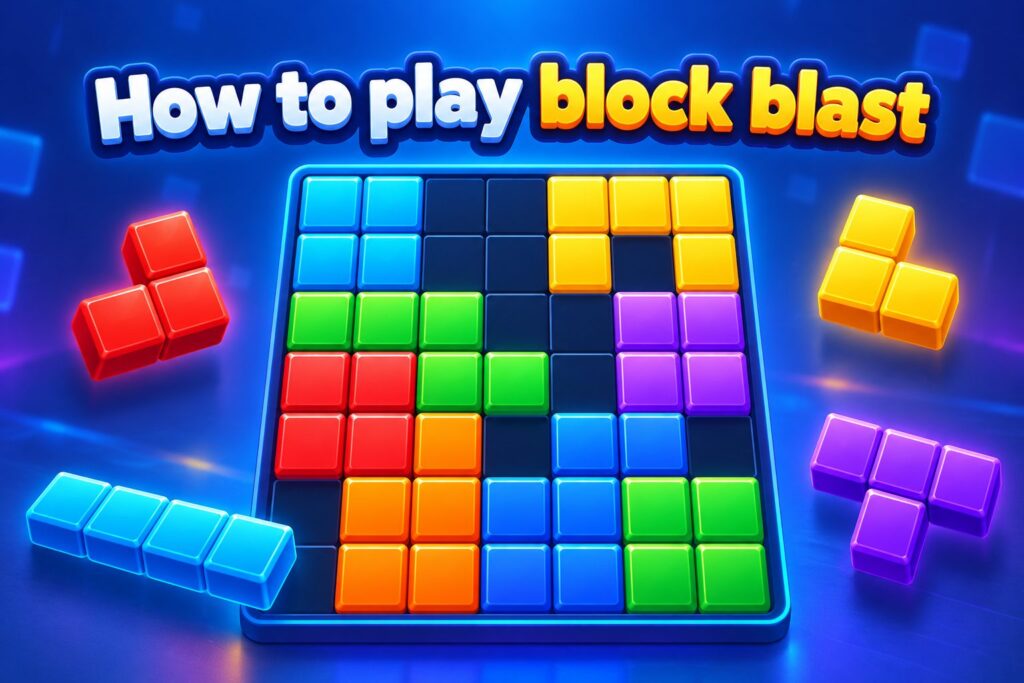
Block Blast is a shape-placement puzzle game. Players fit different blocks onto a grid, aiming to complete rows or columns and create space for future moves. It looks simple, but each decision can involve several mental skills at once.
The game requires visual-spatial reasoning. You must mentally rotate or compare shapes, judge where they fit, and predict whether a placement will leave useful gaps. This type of thinking is used in many everyday tasks, from packing a bag to reading maps.
It also uses working memory. A player often needs to remember the available pieces, keep possible placements in mind, and compare outcomes before making a move. When the board becomes crowded, this mental juggling becomes more demanding.
Planning is another important skill. Strong players do not only look for the biggest immediate score. They consider how the current move changes the next few turns. That encourages deliberate choices instead of quick, automatic reactions.
The game can also train flexible thinking. A plan may stop working when a difficult shape appears. Rather than forcing the original idea, players need to reassess the board and find a new solution.
Potential Brain Benefits Of Block Blast
1. Supports Focus And Attention
A puzzle round gives the brain a clear goal: place pieces without blocking future moves. Because every placement changes the board, you need to keep paying attention. Short sessions may be a useful way to practice staying with one activity rather than constantly switching between distractions.
2. Exercises Visual-Spatial Skills
Visual-spatial skills involve seeing how objects relate to one another in space. In Block Blast, you judge shape size, open areas, corners, and possible lines. Regular puzzle play may help you feel more comfortable with visual patterns, although improvement in the game does not always transfer fully to unrelated tasks.
3. Encourages Strategic Planning
Many beginner moves solve the immediate problem but create a worse board later. Learning to reserve space for awkward shapes, protect open areas, and build multiple possible lines encourages planning ahead. That process can be mentally satisfying because it rewards patience and foresight.
4. Builds Pattern Recognition
Over time, players begin to notice repeated board patterns. They learn which gaps are risky, which shape combinations are helpful, and when a nearly complete line should be saved. Recognizing these patterns can make decision-making faster and more confident.
5. Provides A Manageable Mental Challenge
A good puzzle creates enough difficulty to be engaging without becoming impossible. Block Blast often offers this kind of manageable challenge. It can give your mind something specific to solve during a quiet break, commute, or waiting period.
6. May Help With Stress Relief
For some people, a familiar puzzle provides a calming focus. The game can temporarily pull attention away from daily worries and direct it toward a simple task. This benefit is personal, though. If scores, ads, or repeated losses make you tense, the same game may increase stress instead.
7. Rewards Learning From Mistakes
A lost round usually has a visible cause: a corner was blocked, small gaps accumulated, or a useful space disappeared. Reviewing these choices can build a small habit of reflection. The point is not to blame yourself; it is to notice what you might try differently next time.
What Block Blast Cannot Do
Block Blast can support mental engagement, but it has limits. It should not be presented as treatment for memory loss, anxiety, attention problems, depression, or any medical condition. If you are concerned about cognitive changes or mental health symptoms, a qualified healthcare professional is the right source of help.
Puzzle games also do not replace sleep, exercise, learning, social connection, or a varied routine. Brain health is shaped by many factors, including physical activity, nutrition, stress management, meaningful relationships, and regular mental stimulation. A game can be one small enjoyable part of that larger picture.
It is also important to separate game skill from general intelligence. Becoming excellent at Block Blast shows that you have learned the game’s patterns and strategies. That can be impressive and enjoyable, but it does not measure your overall intelligence or guarantee broad cognitive improvement.
Signs That Puzzle Play Is Helping
A healthy Block Blast habit usually feels enjoyable, contained, and optional. You can stop when you need to, return to your responsibilities, and treat a poor score as a normal part of the game.
You may notice that you pause before placing a piece instead of tapping quickly. You might begin seeing more than one solution, leaving cleaner spaces, or recovering from a difficult board more calmly. These are signs that you are engaging with the puzzle rather than simply reacting.
Another positive sign is using the game as a brief reset. A ten-minute session after work or between tasks can feel refreshing if it helps you return to other activities with a clearer mind. The game should support your day, not quietly take it over.
When Block Blast May Become Less Helpful
1. Playing For Hours Without Breaks
Long, uninterrupted sessions can lead to eye strain, poor posture, missed sleep, and mental fatigue. Even a brain game loses its benefits when it replaces basic needs. Set a natural stopping point, such as after a few rounds or at the end of a timer.
2. Chasing Scores When You Feel Upset
Competition with your own score can be motivating, but it can also become frustrating. If each loss makes you angry or anxious, take a break. A puzzle should be a challenge, not a source of constant pressure.
3. Using The Game To Avoid Important Tasks
It is normal to enjoy a quick game before starting work. It is less helpful when playing repeatedly delays school, work, meals, conversations, or sleep. Notice whether you are choosing the game freely or using it to escape something that needs attention.
4. Ignoring Physical Discomfort
Holding a phone in the same position for a long time can strain your hands, neck, and shoulders. Blinking less while concentrating may also cause dry eyes. Change position, look away from the screen, and stop if you feel discomfort.
5. Treating It As Your Only Mental Activity
Block Blast offers a narrow kind of challenge. Your brain also benefits from reading, conversation, creative work, learning new skills, physical movement, and real-world problem solving. Variety matters more than finding one perfect game.
6. Playing Too Close To Bedtime
A stimulating game can make it harder for some people to wind down, especially if they keep saying “one more round.” If sleep becomes difficult, move gameplay earlier in the evening and create a screen-free period before bed.
Best Practices For Playing Block Blast
1. Play With A Simple Time Limit
Choose a realistic limit before opening the game, such as ten or fifteen minutes. A time boundary helps the game remain a deliberate break rather than an open-ended activity. It also makes it easier to enjoy a session without worrying about lost time.
2. Pause Before Every Placement
Before dropping a piece, scan the whole board. Look for open space, nearly complete lines, and areas that might become unusable. This small pause makes the game more strategic and may be more mentally engaging than rapid tapping.
3. Protect The Center And Large Open Areas
Large open spaces give you options when bigger or awkward pieces appear. Filling the center too early can create fragmented sections of the board. Try to keep flexible areas available, especially when you do not know what the next shapes will be.
4. Avoid Creating Tiny Isolated Gaps
Single empty squares and narrow holes are difficult to fill unless a very specific piece appears. When possible, choose placements that leave clean rectangles and usable lines. This strategy reduces the chance of being trapped by your own earlier moves.
5. Mix Gaming With Movement
Use a finished round as a reminder to stand up, stretch, drink water, or walk briefly. Combining mental play with movement is better for overall wellbeing than staying in one position for a long time.
6. Keep The Game Enjoyable
The healthiest goal is not always a record score. Play because you like solving the puzzle. If the game begins to feel like a chore, a test, or a source of guilt, step away and choose another activity.
A Practical Block Blast Routine
Start by deciding when the game fits naturally into your day. It may work well during a short break, after completing a task, or while waiting for an appointment. Avoid opening it automatically whenever you feel bored.
Set a session length that feels easy to maintain. Ten minutes is enough for many people to enjoy the puzzle and still protect time for other activities. Use a timer if you tend to lose track of time.
Play one round slowly. Instead of placing the first shape that fits, check several options. Ask yourself which move clears space, supports future lines, or avoids a difficult gap.
After the round, briefly notice what happened. Did the board become crowded because you rushed? Did you save an open area effectively? This reflection takes only a few seconds and can make future sessions more purposeful.
Then close the game completely. Put the device down, change your focus, and return to your next activity. The ability to stop comfortably is part of a healthy relationship with any game.
Examples Of Thoughtful Gameplay
1. Saving Space For A Large Square
Imagine that the board has a wide, clean opening near the center. Even if a small block could fill part of it immediately, preserving that space may be smarter because a large square shape could appear later. This choice shows planning rather than simply taking the first available score.
2. Clearing A Line Before Filling A Corner
A corner may look attractive because it feels orderly, but a nearly full row might be more valuable. Completing the row can clear the board and create several new options. Good players compare the short-term visual neatness of a move with the space it creates afterward.
3. Recovering From A Messy Board
Sometimes the board already contains awkward gaps. Instead of trying to fix every problem at once, focus on opening one workable area. A calm recovery move can be more useful than a dramatic move that leaves several new spaces blocked.
4. Choosing A Break Instead Of Another Round
A player may be close to a personal best and want to continue. If it is late, their eyes are tired, or they have other responsibilities, closing the game is still a successful choice. Brain-friendly play includes knowing when rest matters more than another score.
5. Using The Game As A Transition Ritual
After finishing a work task, a person may play one short round before making lunch or starting a walk. Used this way, Block Blast becomes a small mental reset rather than a distraction that interrupts concentration throughout the day.
6. Playing With Curiosity Rather Than Pressure
Instead of thinking, “I must beat my score,” try asking, “Can I leave a cleaner board this round?” This small shift makes the game about learning and observation. It can reduce frustration while still keeping the puzzle interesting.
Frequently Asked Questions
1. Is Block Blast Good For Your Brain?
Block Blast can be a positive form of mental stimulation because it involves attention, spatial reasoning, pattern recognition, and planning. Its benefits are likely modest and specific to the skills you practice. It is best viewed as one enjoyable activity within a balanced lifestyle, not as a cure or guaranteed brain-training program.
2. Does Block Blast Improve Memory?
The game may exercise working memory because you keep pieces, spaces, and possible moves in mind while playing. However, there is no reason to assume it will dramatically improve every type of memory. Sleep, learning, exercise, and regular social engagement also play important roles in memory health.
3. Is Block Blast Better Than Other Puzzle Games?
There is no single best puzzle game for every person. Block Blast may suit people who enjoy visual placement and quick decision-making. Word games, number puzzles, strategy games, and logic puzzles challenge different skills. The best choice is usually one you enjoy enough to play moderately and thoughtfully.
4. How Long Should I Play Block Blast?
A short session of around ten to twenty minutes can be a reasonable starting point for many people. The right amount depends on your routine, comfort, and responsibilities. If gameplay affects sleep, work, school, movement, or relationships, reduce the time and create clearer limits.
5. Is Block Blast Good For Children?
Block Blast-style puzzles can support visual thinking and problem solving for many children, but adults should consider age suitability, screen-time habits, and any in-app features. Children benefit most when game time is balanced with outdoor play, reading, creativity, family interaction, and adequate sleep.
6. Can Block Blast Help Reduce Stress?
It can help some people relax by giving their attention a simple, absorbing task. Others may feel more stressed when they lose, see ads, or become focused on scoring. Pay attention to your own response. If you finish feeling calmer, it may be a useful break; if you feel tense, choose another activity.
Conclusion
Block Blast can be good for your brain in a limited, practical sense. It engages attention, visual-spatial reasoning, pattern recognition, planning, and flexible thinking. It can also provide a pleasant break when played with clear limits and a relaxed attitude.
The healthiest approach is balance. Enjoy the puzzle, play thoughtfully, take regular breaks, and keep space in your routine for sleep, movement, relationships, and other kinds of learning. A game can be a useful mental workout, but it works best as one part of a varied and well-supported life.
Discussion